
Post-Quantum Cryptographic Risk & Transition Intelligence
LaMarr Labs is a boutique strategic consultancy focused on post-quantum cryptographic risk, data longevity, and governance failure modes that emerge when encryption no longer ages safely.
We work with security leadership, legal teams, and executives to identify long-term cryptographic exposure and produce board-ready intelligence for post-quantum decision-making.
Why Post-Quantum Risk Breaks Existing Security Assumptions
Post-quantum cryptography invalidates long-standing assumptions about how long encryption remains safe relative to the data it protects.
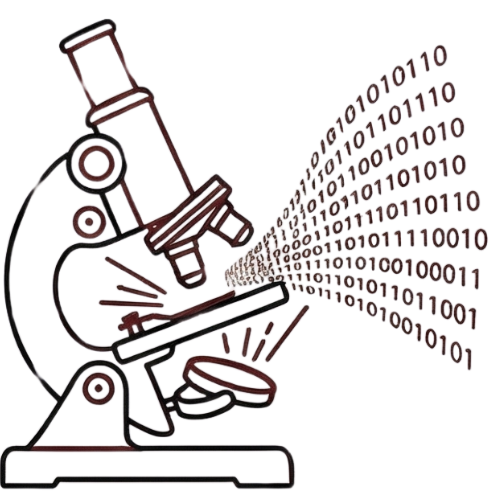
Cryptographic Blind Spots
Most organizations cannot accurately inventory where cryptography exists across transport, storage, identity, applications, and vendors.
Unknown cryptographic dependencies become future points of failure during post-quantum transition.

Data Outlives Encryption
Encryption was designed with the assumption that data expires before cryptography fails.
Post-quantum reality breaks this model, exposing long-lived archives, backups, and records to delayed compromise.

Vendor-Constrained Futures
Post-quantum migration timelines are shaped less by internal readiness than by vendor cryptographic roadmaps, contractual constraints, and platform dependencies outside direct control.
Cryptography Was Never Designed for Long-Lived Data
Most security programs assume encryption degrades more slowly than the data it protects. Post-quantum reality breaks that assumption- quietly and irreversibly.
The Time Horizon Mismatch
Sensitive data often remains valuable for decades, while the cryptographic systems protecting it were never designed to survive that long.
When data longevity exceeds cryptographic durability, risk accumulates silently.
Harvest-Now, Decrypt-Later Is Structural
Adversaries do not need to break encryption today to create future exposure.
Encrypted data can be collected now and decrypted later, long after the original system has been retired.
Unknown Dependencies Become Liability
Cryptographic dependencies buried in vendors, platforms, and legacy systems rarely surface through audits or compliance programs.
Over time, these blind spots become governance failures rather than technical ones.

What Leadership Receives
LaMarr Labs delivers decision-grade intelligence designed to make post-quantum risk visible, defensible, and actionable at the executive and board level.
The outcome is clarity on where long-term cryptographic exposure exists, what can be addressed now, what must be monitored, and where risk is structurally constrained by vendors or data longevity.
This allows leadership to act deliberately, allocate resources defensibly, and avoid cryptographic surprises that surface years after systems are retired.

Post-Quantum Risk Signal Assessment
A structured assessment identifying where long-lived data, cryptographic exposure, and system dependencies create the highest post-quantum risk concentration across the organization.

Governance & Executive Briefings
Board-ready summaries translating cryptographic exposure, data longevity, and vendor constraints into clear governance and liability language for executive and legal review.

Phased Transition Intelligence
Sequenced post-quantum transition guidance reflecting technical feasibility, vendor readiness, and organizational constraints- without assuming immediate full cryptographic replacement.

Vendor Dependency & Data Longevity Mapping
Identification of third-party cryptographic constraints and data retention horizons that shape realistic post-quantum migration timelines beyond internal control.
Who This Work Is Designed For
LaMarr Labs works with organizations that recognize post-quantum cryptography as a long-term governance and risk management issue, not a future technical upgrade.
Organizations with Long-Lived Sensitive Data
Enterprises that retain sensitive data for years or decades, including regulated records, intellectual property, identity data, and archived communications, where delayed cryptographic failure creates material risk.
Leadership Teams Requiring Defensible Decisions
Executive, legal, and security leadership seeking clarity they can stand behind- not tool recommendations, vendor marketing, or premature migration pressure.
Complex Vendor and Platform Environments
Organizations whose cryptographic posture is shaped by cloud providers, SaaS platforms, embedded systems, and third-party dependencies that constrain transition timelines.
This work is not designed for early-stage startups, compliance checkbox exercises, or organizations seeking immediate cryptographic replacement.
Post-Quantum Cryptographic Advisory
LaMarr Labs provides focused advisory services addressing post-quantum cryptographic exposure, governance risk, and transition planning across complex enterprise environments.

Cryptographic Inventory Analysis
Structured identification and assessment of cryptographic usage across transport, storage, identity, applications, and third-party platforms to surface exposure and dependency risk.
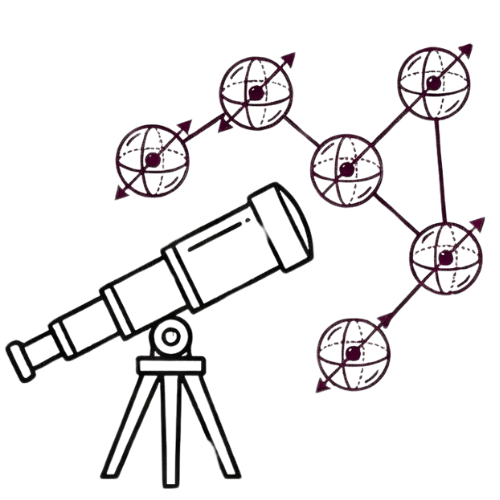
Vendor Dependency Assessment
Evaluation of external cryptographic constraints, vendor roadmaps, and contractual dependencies that shape feasible post-quantum transition timelines.

Board-Ready Risk Briefings
Executive-level summaries translating cryptographic exposure and data longevity into governance and liability language suitable for board and legal review.